A child's first real haircut is less about the cut than about the experience around it. Toddlers and young kids do not know what the cape, the chair, or the sound of clippers mean, and a bad first visit can make the next several visits harder than they need to be. A good one is usually short, calm, and a little boring — which is exactly what you want.
Parents in Indian Trail often ask when to book, what will happen, and how to prepare. The checklist below works through it in order, with the simple pass-or-fail signs that tell you whether your child is ready and whether the appointment is going well.
When the timing is right
There is no required age. Some children need a trim before their first birthday because hair is in their eyes or tangling at the back. Others have fine, slow-growing hair and do not need one until well into toddlerhood. The practical triggers are functional: hair covering the eyes, uneven growth that tangles, or a shape that has become hard to manage at home.
Time of day matters more than age. Book when your child is normally fed, rested, and at their best — for most toddlers, mid-morning. Avoid nap time and the hungry stretch before a meal. A haircut booked into a meltdown window rarely recovers, no matter how patient everyone is.
The first-cut checklist
Before, during, and after the first haircut
- Timing: Pass if the appointment falls in your child's best, fed and rested part of the day. Fail if it lands at nap time or right before a meal, rebook instead of pushing through.
- Preparation: Pass if you have talked about the visit simply beforehand and, if possible, let the child see the salon or watch a family member get a cut first. Fail if the first sight of scissors and clippers is also the moment they have to sit still for them.
- Comfort item: Pass if a small favorite toy, book, or snack for afterward is packed. Fail if you are relying on a brand-new distraction the child has never seen.
- Clean, dry, detangled hair: Pass if hair is washed recently and combed through so the stylist is not spending the appointment detangling. Fail if the child arrives with tangles that will need pulling, that becomes the memory of the visit.
- Your position: Pass if you stay close, calm, and in the child's line of sight, holding a hand if needed. Fail if several adults are coaching at once, which usually raises the noise and the stress.
- Length of session: Pass if everyone accepts a short, simple cut and stopping early if the child is done. Fail if the plan requires a long, detailed style from a child who cannot sit that long yet.
- Tools: Pass if the stylist can start with scissors and introduce any clippers slowly, letting the child hear them first. Fail if a child who is frightened of the sound is held through it anyway.
What actually happens at the appointment
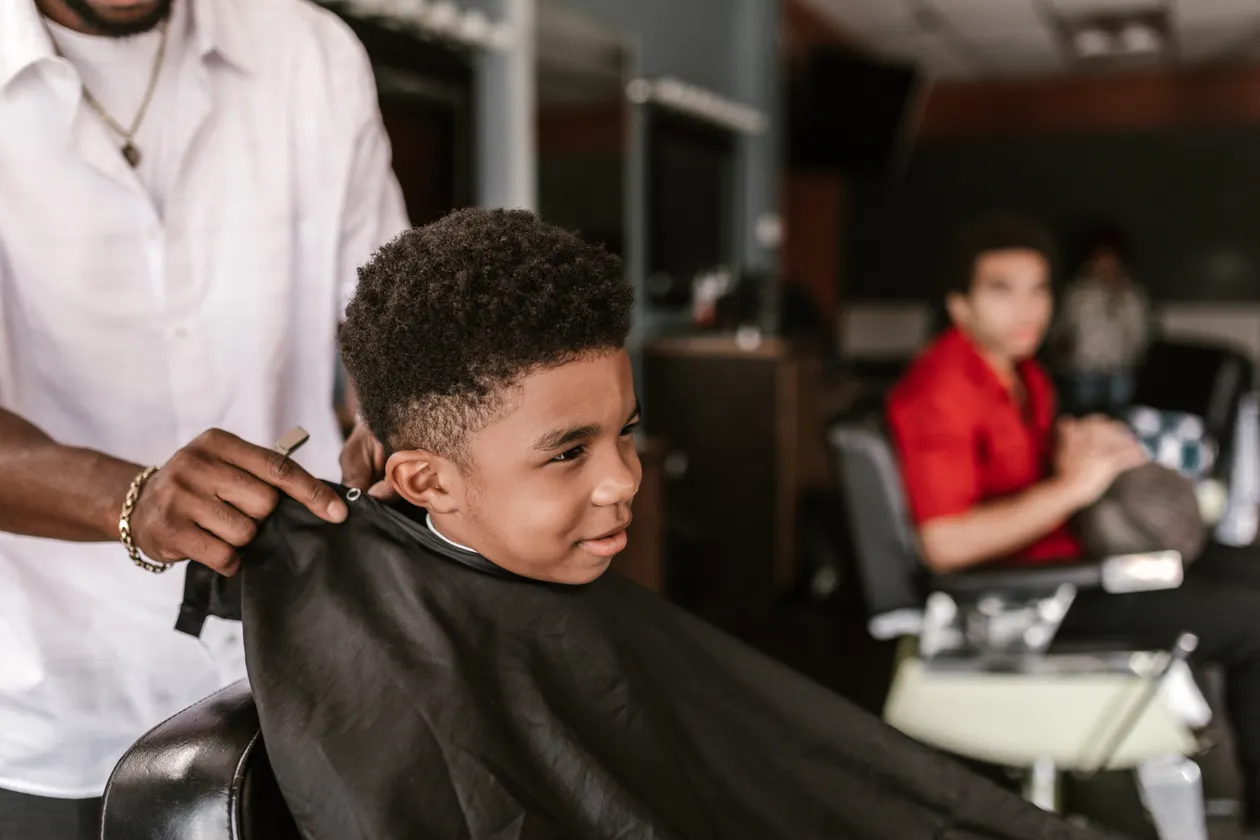
Most first cuts are simple. The child sits in the chair, sometimes on a booster and sometimes on a parent's lap, and a cape goes on, some children hate the cape, and cutting without it is fine. The stylist may wet the hair with a spray bottle, comb it, and trim in small sections, keeping the shape natural rather than precise. For young children the goal is even, comfortable, and quick.
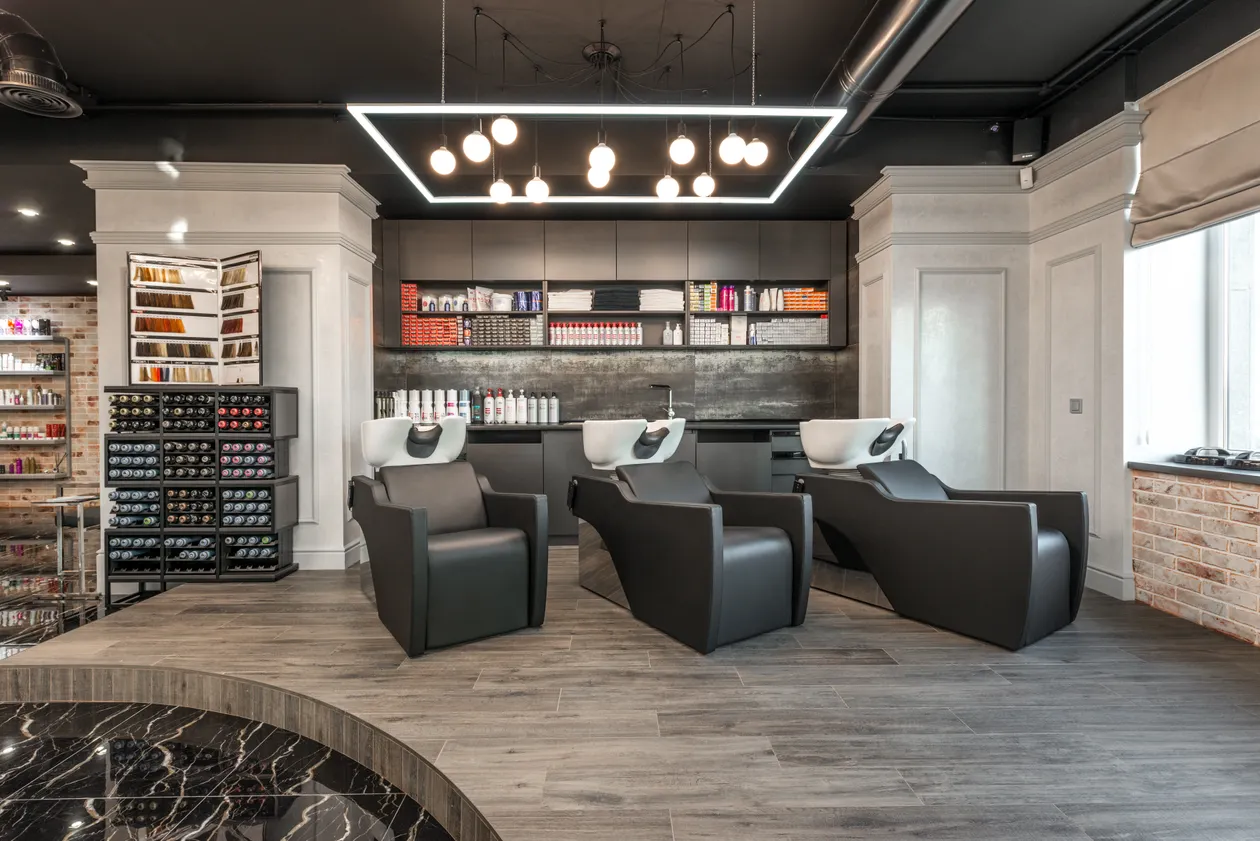
Expect some squirming. Stylists who cut kids' hair at places like Family Hairloom work around it, pausing, letting the child look in the mirror, and checking in with the parent about length as they go. If the child becomes truly distressed, stopping with an uneven but acceptable cut and finishing another day is the right call, not a failure.
Making the next visit easier
Keep the routine familiar afterward. Talk about the haircut as a normal, finished thing. If the first visit went well, returning to the same salon and, where possible, the same stylist builds recognition, the chair, the person, and the sequence are no longer new. Many families also keep a small lock of hair from the first cut; ask before the appointment starts so the stylist can set one aside cleanly before the trimming begins in earnest.
At home, regular gentle combing and the occasional play visit past the salon keep the association positive. Children who only encounter hair care when something is being done to them tend to resist more than children for whom it is part of normal life.
Common questions
Will cutting my baby's hair make it grow thicker?
No. A cut changes how the ends look and feel, removing fine baby ends, but it does not change the follicles or how thick the hair grows in.
What if my child will not sit still?
Book a short, simple trim, sit them on your lap if needed, and accept stopping early if they are distressed. A partial cut finished later beats a frightening full one.
Should I bring anything to the appointment?
Bring a small familiar toy or book, a snack for afterward, and a change of shirt if your child dislikes loose hairs. Arrive a few minutes early so nothing feels rushed.
Photos in this guide are representative stock images.
← All guides from Family Hairloom← Back to Family Hairloom